“There’s no such thing as complete when it comes to stories. Stories are infinite.
They are as infinite as worlds.” ― Kelly Barnhill, Iron Hearted Violet

There is something mysterious, even compelling, about a story that doesn’t seem complete. It leaves us wondering, and imagining what could have come next, or not, so we spin our own tales of completion, because we are seldom content to let things idle without some sort of resolution.
But when I look around at our neighborhood, community, even our country and beyond, nothing feels complete. Knowledge is always a step away. Details are often absent. And sometimes I feel like there is simply too much to know about a subject, a person, a place, making it impossible to get a true picture of anything.
Working with limited information a great deal of the time, we still seem inclined to draw conclusions and make assumptions about things or topics or people as if we know the complete picture. But so much friction, so many disagreements or misunderstandings, arise because of this tendency.
Still, we’ve all had to make decisions with incomplete information. Sometimes we overlook something extremely important; sometimes we just trust our intuition; sometimes we piece things together and hope that a decision is the right one, or the best one, under the circumstances. There is a degree of risk in any of these approaches.
We wonder what we may have overlooked. What we may have assumed, or merely wished was true without actual knowledge of the same. But each day we make a bunch of decisions from extremely minor to potentially significant or even life-changing. It’s unavoidable. We live in an evolving world, on an ever-changing planet. It’s a fluid and flexible environment that demands a great deal from us when it comes to information gathering and decision-making.
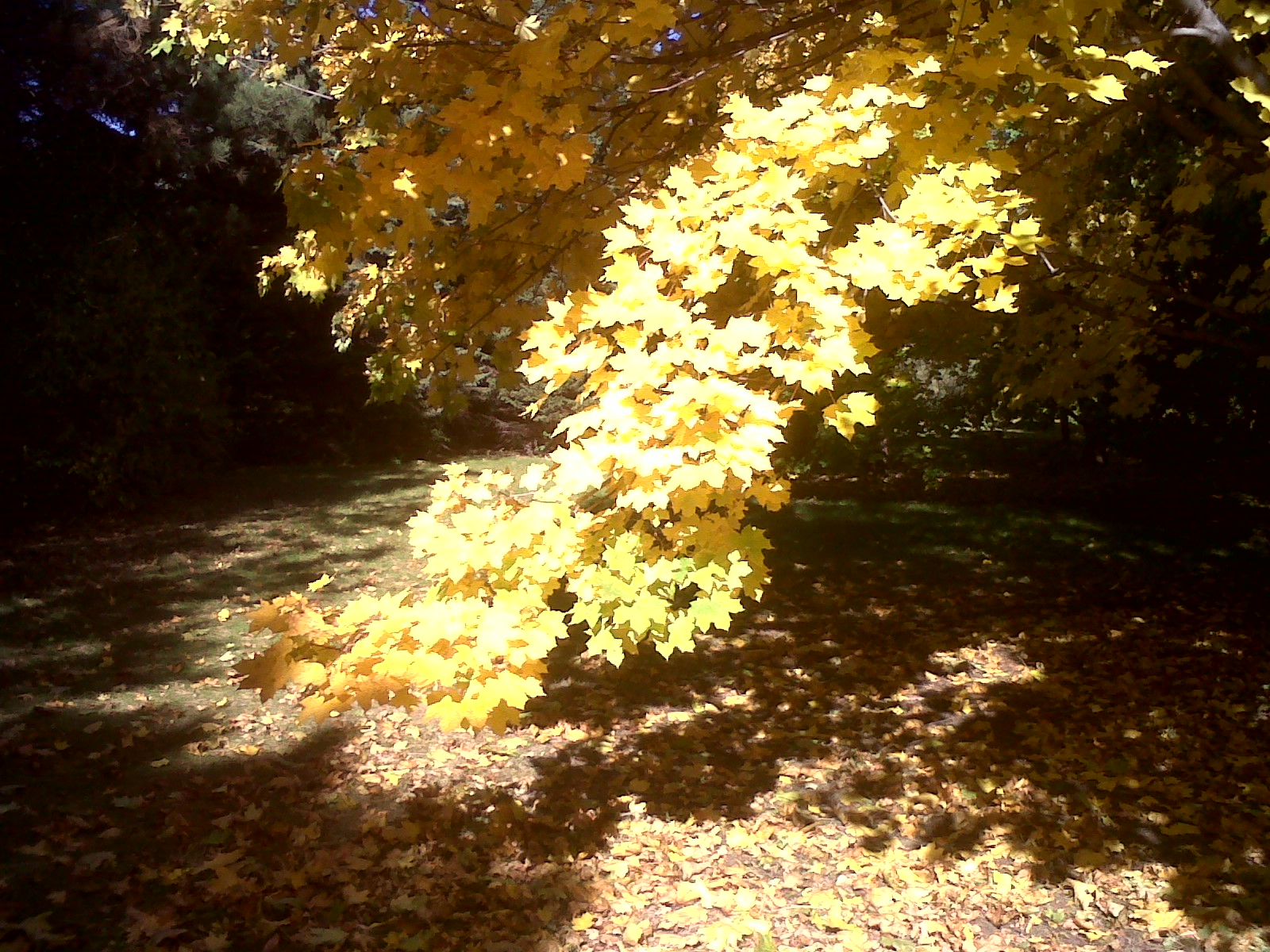
Even life stories can feel complete or largely incomplete, depending on someone’s age or circumstances. A single average life span may be too short to ever feel as complete as we might like, or assume, so we get used to vagueness at some point, I guess. And learn to take a leap into the unknown while hoping we’re doing the right thing, or the best thing.
These are high-level skills though. We’ll never perfect them, either. All we can do is build on our abilities and hope for greater mindfulness as we go. Critical insights along the way help. Some people even tap their dreams as a way of gathering information that is relevant to their daily lives.
As a reader, do you like vague endings? As a writer or poet, what sort of endings do you favor?
When I’m expecting a certain ending in a movie, for instance, one that doesn’t occur, I feel let down, confused, frustrated, or perhaps, intrigued. But lately, when a good movie closes on a mysterious, open-ended note, I’m trying to see it as more true-to-life. Each story, after all, is in constant motion. And typical endings rarely satisfy.
So now, when I’m writing an essay, a poem, I ask myself why I yearn to tie up all the loose ends. What is gained? What is lost? Or does it even matter? I’m not at all sure why the notion of completion appeals to me, now that I think about it.
The lovely threads of life are destined to unravel no matter how delicately we weave them together on any given day. And maybe that’s all we need to know. ~

Blog by SunnyRoomStudio: all rights reserved.
Thanks for stopping by!